Markets · 3 Nov 2026Policy rateBank of Canada2.50%YieldsCA 2Y3.26%CA 5Y3.49%+3 bpCA 10Y3.77%+3 bpCanadian dollarCAD/USD0.7146−0.11%CAD/EUR0.6385−0.02%CAD/GBP0.5325−0.15%CAD/JPY113.25+0.34%CryptoBTCUS$80,316+3.42%ETHUS$2,421+5.47%

Morning Brief

Wednesday 2 September 2026

The Bank of Canada held at 2.25% for a seventh straight decision and said the longer oil stays high, the greater the risk it turns into persistent inflation.

The desk’s view todayThe Bank of Canada's next move is more likely a hike than a cut, and not before the October 28 meeting unless core inflation has clearly moved off 2%.

Story 1 of 5

The Bank held at 2.25%, and changed the subject from cuts to spillover

An aerial view of a suburban neighbourhood of houses
Photo: Pexels

01What happened

The Bank of Canada kept its policy rate at 2.25% on Wednesday, the seventh consecutive hold. Its statement said headline inflation is hovering around 3% because of gasoline, that inflation excluding gasoline was 2.2% in July, that the economy grew 3.3% annualized in the second quarter, and that unemployment edged down to 6.4%. Governing Council said it is “prepared to adjust monetary policy as needed”. Governor Macklem: “The longer oil prices and refinery margins stay high, the greater the risk that higher energy prices spill over and turn into persistent inflation.”

02Our view

The Bank of Canada’s next move is more likely to be a hike than a cut, but we do not expect it at the October 28 meeting unless core inflationCore inflation Inflation with the most volatile prices, mainly energy and fresh food, stripped out, so the underlying trend shows. The Bank of Canada watches this more closely than the headline number. has clearly moved off 2%. Until then, expect a hold with a hawkish edge.

Why we think so. The evidence is in the Bank’s own statement. For a year its language was about when cutting would resume. On Wednesday it described the condition that would make it raise rates instead: oil prices and refinery margins staying high long enough to spill over into persistent inflation. Central banks rarely spell out a risk in that detail unless they want it taken seriously. The backdrop supports the shift. The economy grew 3.3% annualized in the second quarter, faster than it can run for long without pressure on prices, and unemployment edged down to 6.4%, so the labour market no longer argues for easing. Yet headline inflation near 3% is mostly gasoline, and inflation excluding gasoline was 2.2% in July, close to target. Hence patience rather than action: no case for a cut, but no proof yet that the energy shock is spreading. The Bank also said monetary policy cannot offset tariffs or global energy prices, which rules out a cut to cushion the trade war.

The bigger picture. Central banks usually look through a supply shock such as an oil spike, because higher interest rates do not produce more oil. They stop looking through it when the shock changes behaviour: when businesses build higher costs into prices across the board and workers bargain for wages to match. Wednesday’s statement describes that tipping point and promises to act if it is crossed. Holding now and hiking later is the textbook sequence when a central bank suspects a supply shock is broadening but wants evidence first.

What it means. For a variable-rate mortgage, a line of credit or a business operating loan, nothing changes today, because prime follows the policy rate. What should change is the planning assumption, from “a cut is coming” to “rates hold, with some risk of an increase”. A renewal or loan review before year end is best priced on today’s rates, with any cut treated as a bonus. Savers can expect GIC and savings rates to stay near current levels. Business owners should take the Bank at its word that it will not cushion tariffs, and any buy-sell or key-person arrangement funded with debt is worth checking for how its financing reprices.

What would change our mind. CPI ex-gasolineCPI ex-gasoline The Consumer Price Index with gasoline removed. When it sits well below the headline rate, the inflation is coming from fuel rather than from the broad economy. at or below 2.2% in both the August and September reports, or a ceasefire that takes oil back under US$80. Either would show that the energy shock is not spreading and the case for a hike would fade. In the other direction, a clear move in core inflation away from 2% before October 28 would bring a hike forward to that meeting.

What to watch. Thursday’s Canadian labour productivity figures for the second quarter (consensus +0.7%), Friday’s August jobs report (consensus +15,000 jobs and unemployment at 6.4%), then the August and September CPI reports ahead of the October 28 decision.

03Why it matters to you

If you carry a variable mortgage or a line of credit, the Bank has named the condition for a hike. Knowing your payment at a higher rate lets you prepare early.

Book a mortgage renewal review

Sources: Bank of Canada press release and opening statement, 2 Sep.
Story 2 of 5

Yields kept rising on a soft U.S. jobs number. That is the combination to watch.

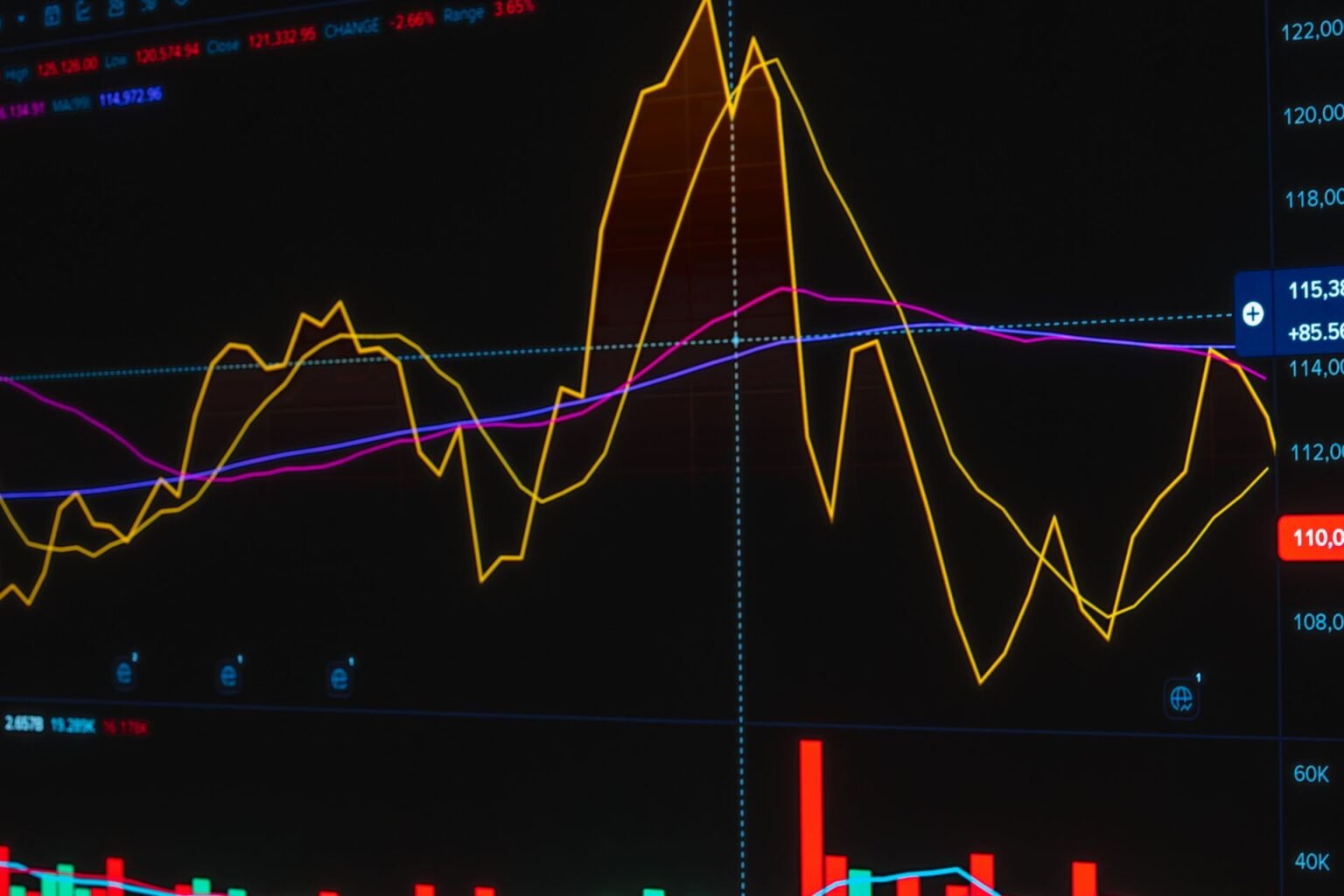
A financial chart with trading data on screen
Photo: Pexels

01What happened

The U.S. 10-year Treasury bond yieldBond yield The annual return an investor gets for lending to a government or company through a bond. Yields rise when bond prices fall. Fixed mortgage rates are priced from the 5-year Government of Canada yield. reached 4.81% on Wednesday, its highest since late 2023, a day after Japan's 10-year crossed 3% for the first time since 1996. On the same morning ADP reported that U.S. private employers added 38,000 jobs in August, below the 47,000 expected and the slowest pace since January. Friday brings the official jobs reports for both Canada and the United States.

02Our view

We expect the 5-year Government of Canada yield to settle in the low-3% range through the fall rather than fall back, which keeps fixed mortgage rates near today’s levels whatever the Bank of Canada does.

Why we think so. The tell is the direction of the move. Weak jobs data normally pulls yields down, because it brings rate cuts closer. On Wednesday ADP reported that U.S. private employers added only 38,000 jobs in August, below the 47,000 expected and the slowest pace since January, yet the U.S. 10-year Treasury bond yieldBond yield The annual return an investor gets for lending to a government or company through a bond. Yields rise when bond prices fall. Fixed mortgage rates are priced from the 5-year Government of Canada yield. rose to 4.81%, its highest since late 2023. That happened a day after Japan’s 10-year crossed 3% for the first time since 1996. When yields rise on soft growth news, investors are not reacting to the economy; they are asking for more compensation to lend for years at a time, because they expect inflation to stay higher and governments to keep borrowing. Those concerns do not reverse on a single data point. And the Canadian 5-year, the benchmark that fixed mortgage rates are priced from, takes its lead from this market far more than from the Bank of Canada’s overnight rate.

What the market is pricing. The consensus for Friday’s official U.S. payrolls is only +55,000, so a soft labour market is already expected. The conventional reading is that a run of weak jobs numbers should eventually bring yields down. Our view differs: as long as oil and government borrowing are driving the bond market, soft jobs on their own will not be enough. It would take weak growth and easing inflation pressure together to bring buyers back to bonds in size.

What it means. For a borrower with a fixed-rate renewal ahead, waiting for the Bank of Canada to cut is waiting on the wrong institution: the rate on a five-year fixed mortgage follows the 5-year bond yield plus the lender’s margin. Getting a renewal quote now and running the payment at today’s rate is more useful than hoping for relief. For investors, this is the pattern that hurts a balanced portfolio, because bonds and shares fall together when inflation rather than growth is the worry. The other side of that is worth remembering: a bond or a GIC bought today locks in today’s higher yield if held to maturity, so a bad week for bond prices is a better week for new money. Savers holding idle cash can now earn a meaningful return on short-term deposits.

What would change our mind. Friday’s U.S. payrolls confirming a genuine slowdown while oil eases at the same time. Both together would tell us inflation fears are fading and growth fears are taking over, which is the condition in which bonds rally and the 5-year moves below the low-3% range.

What to watch. Thursday’s U.S. jobless claims (consensus 205,000) and ISM services index for August (consensus 54.2), then Friday’s U.S. jobs report (consensus +55,000 payrolls) and Canada’s August jobs report (consensus +15,000 and 6.4% unemployment), alongside the price of oil.

03Why it matters to you

If your savings are split between bonds and shares, rising yields on weak news can hurt both at once. A review checks that your mix still protects you.

Book a portfolio review

Sources: market reports, 2 Sep; ADP National Employment Report, 2 Sep; BNN Bloomberg, 1 Sep.

Story 3 of 5

Toronto bounced after the decision, led by the banks

Share prices on a monitor
Photo: Pexels

01What happened

The S&P/TSX Composite rose 108.70 points, or 0.3%, to 35,934.43 on Wednesday, recovering part of Tuesday's 445-point fall. Bank shares rose between 0.5% and 1% after the hold, and gold miners gained 2.5% to 4% as the gold price recovered from Tuesday's drop. New York was mixed, with the S&P 500 and the Dow up and the Nasdaq flat by mid-afternoon.

02Our view

We expect the TSX’s day-to-day direction this month to be set by oil and gold rather than by anything the Bank of Canada does. A diversified Canadian equity holding is, whether its owner intends it or not, a commodities position.

Why we think so. Wednesday’s numbers show it. The S&P/TSX Composite rose 108.70 points, or 0.3%, to 35,934.43, recovering only part of Tuesday’s 445-point fall. Bank shares rose between 0.5% and 1% after the rate hold, a sensible response: a steady policy rate and a growing economy is the environment in which banks earn best, because lending margins hold while loan losses stay contained. But gold miners gained 2.5% to 4% as the gold price recovered from Tuesday’s drop, several times the banks’ move. The rate decision was largely expected; the swings in gold and oil were not. With Gulf tensions moving crude and gold by large amounts from one session to the next, the resource half of the index will keep overpowering the steadier influence of interest rates.

The bigger picture. The Canadian market is concentrated in a few sectors: financials, energy and materials make up a large share of the index. An investor who buys a broad Canadian index fund for diversification is therefore buying a portfolio that rises and falls with commodity prices and with the fortunes of a handful of large banks. That is not a flaw, it is a feature of the economy the index reflects, but it means Canadian equities behave differently from broader global indexes, which carry far more technology, health care and consumer businesses. Over a full cycle that concentration can help, as it does when oil is strong, and hurt, as it does when commodities fall together.

What it means. For investors whose portfolio is mostly Canadian shares, the useful exercise is to know how much sits in energy, materials and the six largest banks. It is usually more than people expect, especially once index funds and balanced funds are counted. Spreading equity holdings across sectors and regions is the standard way to reduce that dependence. Business owners whose own company is tied to resources, or to lending conditions, should recognise that a Canadian-heavy portfolio doubles that exposure rather than offsetting it. For borrowers, strong bank results are not a signal that credit is getting cheaper; they reflect a steady rate environment, not a falling one.

What would change our mind. A sustained stretch in which the TSX rises while oil and gold both fall, or a jobs report that moves bank shares further than commodity prices move the miners. Either would tell us domestic economic news had taken back the lead from commodities, and we would say so.

What to watch. The price of oil and gold as Gulf developments unfold, Friday’s Canadian and U.S. jobs reports for August, and Monday’s start of Canada’s counter-tariffs on U.S. goods.

03Why it matters to you

If your portfolio leans on Canadian banks, a hold with a growing economy favours them. A review shows whether your mix is balanced for what comes next.

Book a portfolio review

Sources: Trading Economics market note, 2 Sep; The Canadian Press, 1 Sep.

Story 4 of 5

Oil eased a little, and it is still the number the Bank is watching

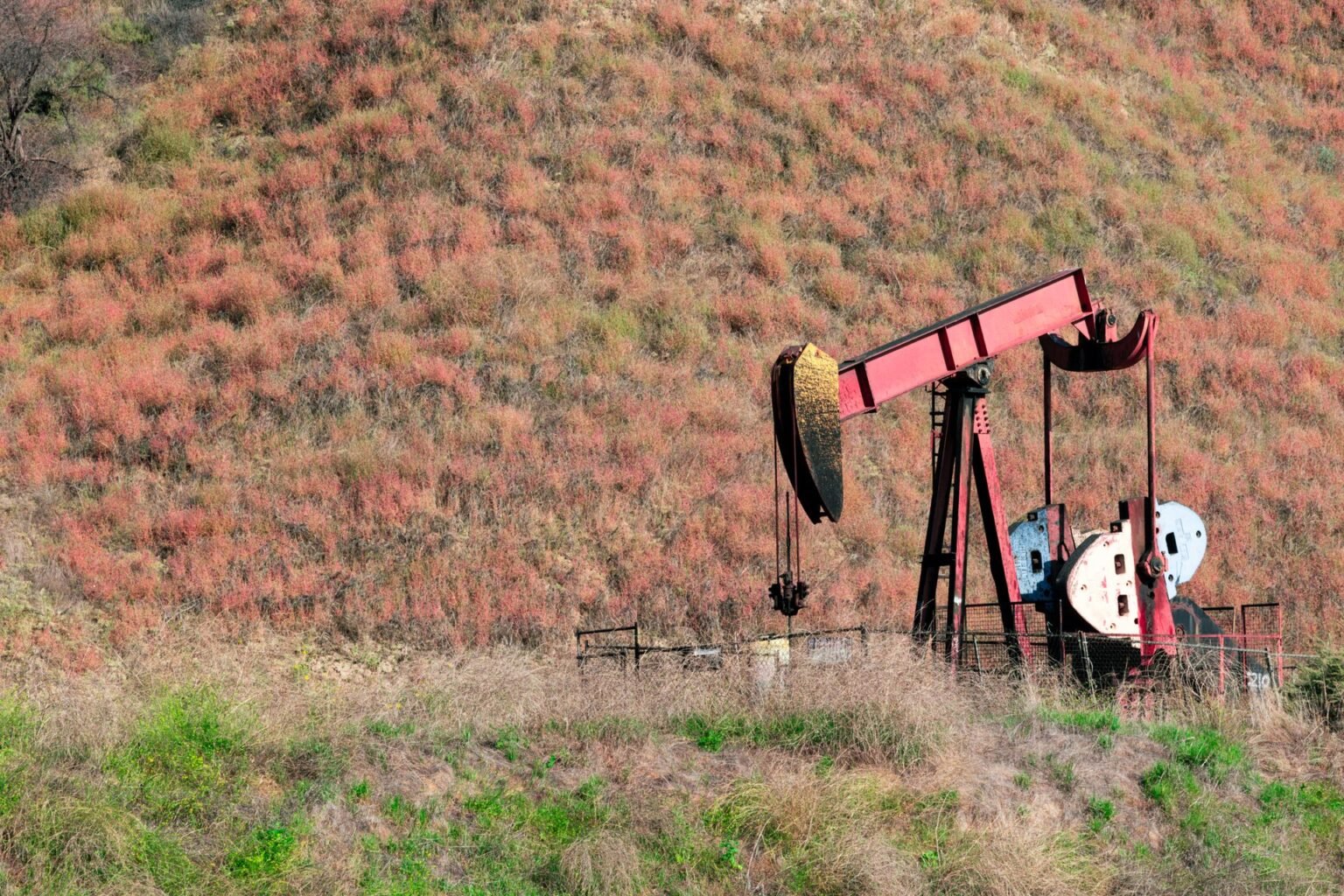
An oil well pump in a field
Photo: Pexels

01What happened

WTI crude slipped 0.7% to about US$89.58 on Wednesday and Brent 0.4% to about US$94.28, after Tuesday's jump on renewed U.S. strikes on Iran and attacks on shipping in the Strait of HormuzStrait of Hormuz The narrow waterway between Iran and the Arabian Peninsula through which roughly a fifth of the world's oil moves by tanker. Any threat to shipping there moves oil prices within hours.. Gasoline was up 25.7% year over year in Canada's July inflation report, and the Bank singled out oil and refinery margins as the source of the inflation risk.

02Our view

We think the risk in oil stays asymmetric through the autumn: the upside scenario is far larger than the downside, and we would not build a household or business budget on the calm case.

Why we think so. The small dip on Wednesday does not change the picture. WTI crude slipped 0.7% to about US$89.58 and Brent 0.4% to about US$94.28, after Tuesday’s jump on renewed U.S. strikes on Iran and attacks on shipping in the Strait of HormuzStrait of Hormuz The narrow waterway between Iran and the Arabian Peninsula through which roughly a fifth of the world's oil moves by tanker. Any threat to shipping there moves oil prices within hours.. Prices are still roughly a third higher than in the spring, and gasoline was up 25.7% year over year in Canada’s July inflation report. Think about the two directions from here. A lasting disruption in the Gulf takes oil well past US$100, and the Bank of Canada has now said in writing that a prolonged period of high energy prices is exactly what would make it act. A ceasefire, by contrast, only takes prices back to roughly where they were in July. The possible rise is large and the possible relief is modest, which is what we mean by asymmetric.

The bigger picture. Oil reaches a Canadian household through three channels at different speeds. At the pump it shows up within weeks. Through the Bank of Canada it shows up within months, if high fuel costs feed into broader prices and the Bank responds with higher rates. And through the TSX it shows up every day, because energy is a large weight in the index. That is why oil is the single variable the Bank singled out in its statement, alongside refinery margins: it is the main route by which a geopolitical event becomes an interest rate decision. When supply depends on a narrow shipping route under threat, prices also carry a risk premium that can rise quickly on any incident.

What it means. Households should set the fuel line of their budget on current prices rather than spring prices, and recognise that a sustained spike would also raise the odds of higher borrowing costs. Businesses for which fuel is a meaningful cost should use this quarter to review pricing and supplier contracts rather than absorb the difference, since cost increases that are not passed on come straight out of margin. Variable-rate borrowers should see oil as the main path to a rate increase. Investors with Canadian equities have a partial cushion, as energy producers benefit from the same prices that squeeze everyone else.

What would change our mind. A ceasefire in the Gulf that takes oil back below US$80 and holds it there. That would remove the upside scenario, ease pressure on Canadian inflation and take the hike risk off the Bank of Canada’s table.

What to watch. Developments in the Gulf and shipping through the Strait of Hormuz, Thursday’s U.S. ISM services index for August (consensus 54.2), Friday’s jobs reports in Canada and the United States, and the Bank of Canada’s October 28 decision.

03Why it matters to you

If fuel takes a large share of your budget, prices are still well above spring levels. Planning for that keeps the budget honest.

Book a budget and savings check

Sources: market reports, 2 Sep; Bank of Canada, 2 Sep; Statistics Canada, 17 Aug.

Story 5 of 5

Reminder: counter-tariffs on $27.6 billion of U.S. goods start Monday

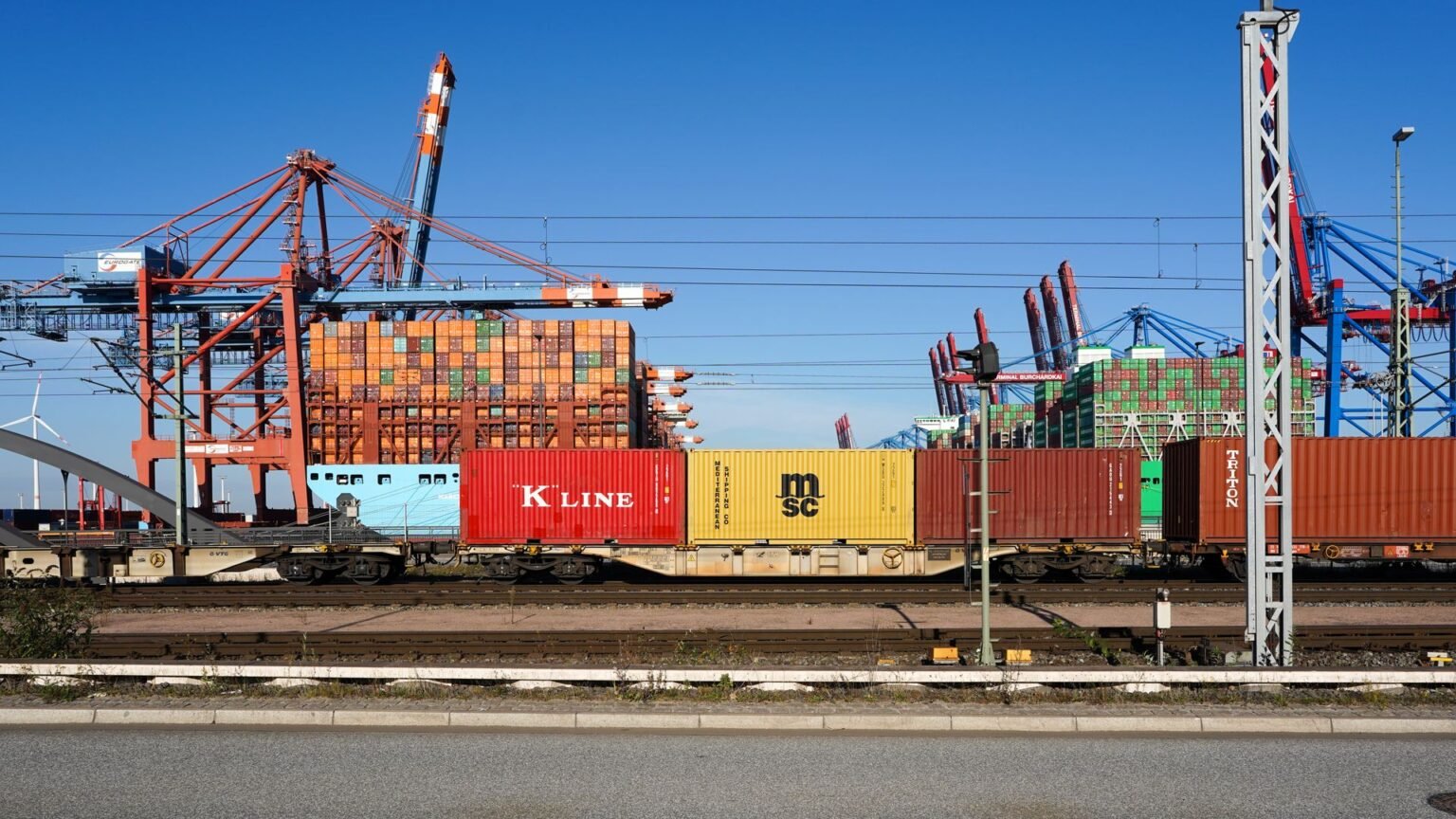
Shipping containers and cranes at a container port
Photo: Pexels

01What happened

Canada's counter-tariffs of 15%, 25% and 50% on a list of U.S. products, including steel, dairy, appliances, agricultural equipment, pulp and paper, electronics and textiles, take effect at 12:01 a.m. on Monday 8 September. Goods already in transit are exempt. The Bank of Canada's statement on Wednesday described the trade situation as “fluid”.

02Our view

We think this round of counter-tariffs lasts longer than the spring rounds did. Plan on the tariffs being in place through the winter.

Why we think so. Two features set this round apart. First, both governments have matched each other at the 50% level, which leaves little room for either to escalate further and makes standing down look like a concession. Second, neither side has a scheduled off-ramp: there is no announced negotiation, review date or expiry. Canada’s counter-tariffs of 15%, 25% and 50% cover $27.6 billion of U.S. products, including steel, dairy, appliances, agricultural equipment, pulp and paper, electronics and textiles, and take effect at 12:01 a.m. on Monday 8 September. The Bank of Canada described the trade situation as fluid on Wednesday, which is a polite way of saying no one can see the end of it. When neither side has a timetable for removal, the sensible default is that the measures stay.

The bigger picture. A tariff is a tax paid by the buyer in the country that imposes it. Canadian businesses importing these U.S. goods will pay the duty and then decide how much to pass on to their own customers. That is why tariffs tend to raise prices at home as well as abroad, and why the Bank of Canada has said monetary policy cannot offset them: lower interest rates would not reduce the duty, they would simply add to inflation. Once two governments have retaliated at the same level, removing the measures usually requires a broader agreement rather than a single gesture, which takes time.

What it means. For a business that buys equipment, inputs or inventory from the United States in these categories, the landed cost changes on Monday. Goods already in transit are exempt, so an order that ships this week can arrive tariff-free, while the same order next week may not. The practical step is to check the tariff list against your top twenty U.S. suppliers before Monday and decide which orders to bring forward, which to source elsewhere and which price increases to plan for. A tariff-driven cost shock is also what a corporate cash buffer is for: a business with liquidity can absorb a few months of higher costs while it adjusts, rather than borrowing at short notice. Households should expect higher prices on some appliances, electronics and textiles over the coming months, and borrowers should not expect the Bank to cut rates to soften the blow.

What would change our mind. An announced negotiation with a timetable, or the removal of the 50% measures by either government, before the winter. Either would make a shorter round likely and we would revise the planning horizon.

What to watch. Monday 8 September, when the counter-tariffs take effect, Thursday’s Canadian merchandise trade balance for July (consensus +$3.2 billion), and the Bank of Canada’s October 28 decision for any change in how it describes the trade situation.

03Why it matters to you

If your business buys equipment or inventory from the U.S., Monday changes your landed cost. Placing orders with that in mind protects your margin.

Book a business review

Sources: Department of Finance Canada, 25 Aug; Bank of Canada, 2 Sep.

Today’s news, considered against your own plans.

If one of these stories bears on your mortgage, savings, income or business, we would be glad to go through it with you and explain clearly what, if anything, it means for you.

Book a conversation

Free · optional

The Morning Brief in your inbox at 06:00 Pacific.

The day’s stories, what each means for you, and our view. Unsubscribe in one click.

Email subscriptions open shortly.