Story 1 of 5
Canada’s counter-tariffs are now in force on $27.6 billion of U.S. goods
01What happened
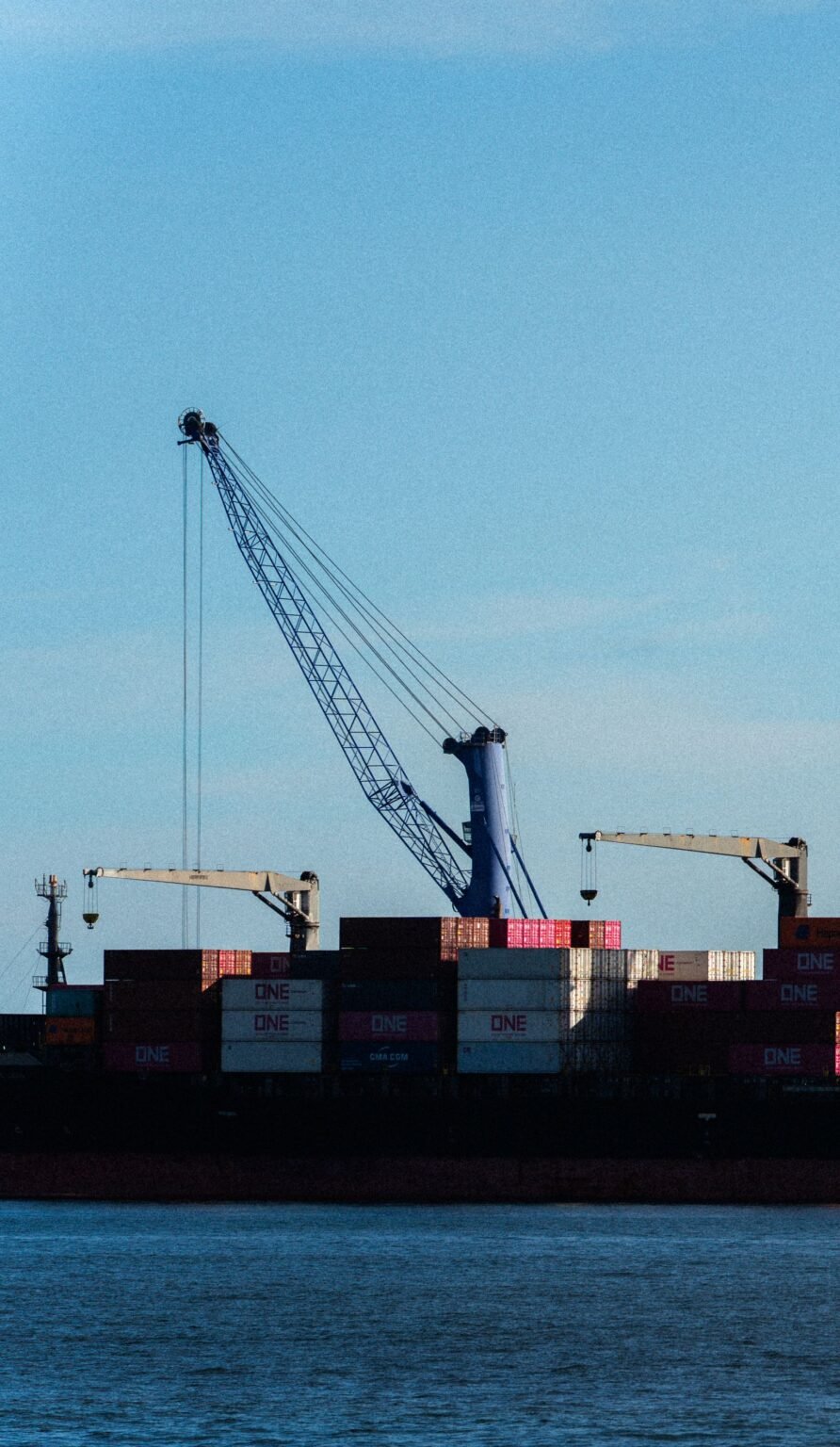
At midnight on Monday 8 September, Canada’s new counter-tariffs took effect: duties of 15%, 25% and 50% on U.S. products drawn from the lists the United States targeted under its Section 232 and Section 338 measures. Finance Canada says the measures cover $27.6 billion of imports, matching the 50% U.S. tariff on $27.6 billion of Canadian goods that began on 22 August. The list runs from dairy, honey and lumber to clothing, cosmetics, kitchenware, glass containers, plasterboard and steel. Goods already in transit on 8 September are exempt.
02Our view
We expect the counter-tariffs to show up in Canadian CPI ex-gasolineCPI ex-gasoline The Consumer Price Index with gasoline removed. When it sits well below the headline rate, the inflation is coming from fuel rather than from the broad economy. within two to three months, and we think this round makes the Bank of Canada more patient about cuts, not more eager, into the late-October decision and beyond.
Why we think so. A tariff is a tax paid at home. The Canadian importer pays the duty at the border and then passes as much of it as possible to customers. The list that took effect at midnight on Monday 8 September is broad and close to the shelf: duties of 15%, 25% and 50% on $27.6 billion of U.S. goods, from dairy, honey and lumber to clothing, cosmetics, kitchenware, glass containers, plasterboard and steel. The effect builds gradually rather than all at once, because goods already in transit on 8 September are exempt and retailers sell through existing inventory before restocking at the higher cost. That is why we think two to three months is the right horizon for it to reach the inflation figures. The timing matters: it lands just as the Bank is deciding whether its September pause was the end of cutting or a pause before more.
What the market is pricing. The consensus for the Bank’s late-October decision is a hold at 2.25%, and we agree. Where we go further is the outlook beyond that meeting. We think the September pause was the end of rate cuts for this year, because tariffs and oil above US$90 push headline inflation up from two directions at once, while the U.S. tariff of 50% on $27.6 billion of Canadian goods since 22 August weakens orders for exporters at the same time.
What it means. For a business that imports from the United States, the most useful step is to pull the tariff list against your own product codes this week rather than wait for the invoice. A 25% duty on an input is a pricing decision, not an accounting one, and the earlier customers hear about a price change the easier the conversation. For a business that also carries debt, check whether cash flow was modelled with higher input costs and higher borrowing costs arriving together; most projections assume one or the other. Exporters to the United States face the mirror image, with weaker demand for lumber, steel and manufactured goods. Households should expect higher prices on American cheese, cosmetics, clothing and building materials over the autumn, and borrowers should not plan on a rate cut to offset them.
What would change our mind. A Fed hold on 16 September together with Canadian core inflation below 2.3% in the September CPI, or oil back under US$80 for a month. Either would reopen the case for a cut before year-end. We would also revisit the tariff call if CPI ex-gasoline shows no rise over the next two to three months, which would mean importers absorbed the duties rather than passed them on.
What to watch. The U.S. producer and consumer price reports for August on Thursday and Friday, the Federal Reserve’s decision on 16 September (markets price about 60% odds of a quarter-point hike), and the Bank of Canada’s late-October decision.
03Why it matters to you
If American goods are part of your weekly shopping, prices rise from this week. A budget that plans for it is easier to keep than one that absorbs it.
Sources Finance Canada, List of products from the United States subject to counter-tariffs effective September 8, 2026; Yahoo Finance, Stock Market Today (Sept. 8, 2026)