Markets · 4 Nov 2026Policy rateBank of Canada2.50%YieldsCA 2Y3.26%CA 5Y3.49%+3 bpCA 10Y3.77%+3 bpCanadian dollarCAD/USD0.7163+0.24%CAD/EUR0.6374−0.17%CAD/GBP0.5316−0.17%CAD/JPY113.51+0.23%CryptoBTCUS$80,512+3.73%ETHUS$2,426+6.33%

Morning Brief

Wednesday 4 November 2026

Democrats won control of both the U.S. House and Senate in Tuesday’s midterm elections, a day before Canada’s federal budget.

The desk’s view todayWe expect the Bank of Canada to hold at 2.50% at its next decision rather than raise again.

Story 1 of 5

Democrats win both houses of Congress, and the politics of tariffs shift
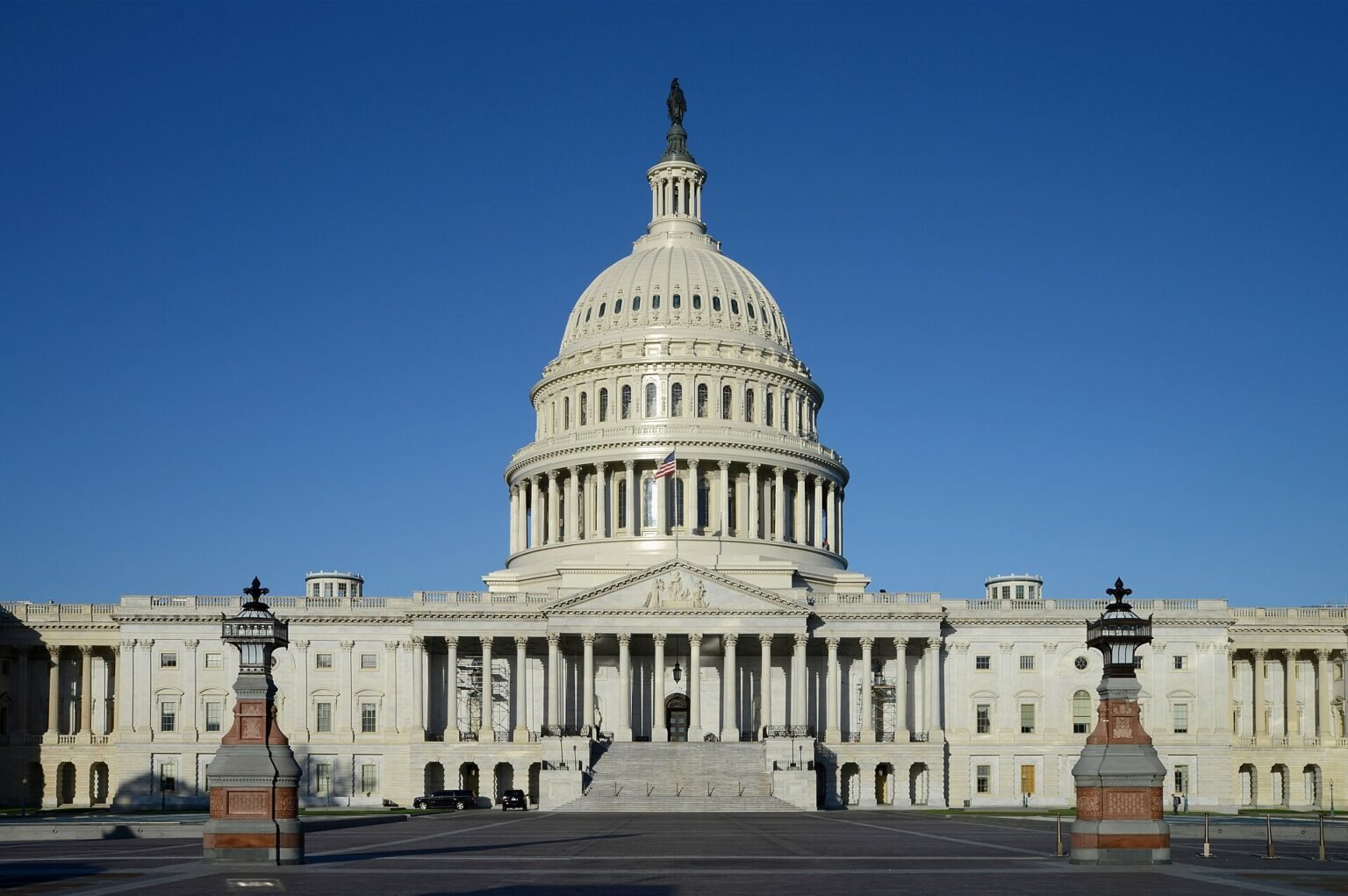
The east facade and dome of the United States Capitol in Washington
Photo: Alvesgaspar, CC BY-SA 4.0, via Wikimedia Commons

01What happened

Democrats won control of both the House and the Senate in Tuesday’s U.S. midterm elections, CBS News projected, calling the House at 10:15 p.m. and the Senate shortly after 11:30 p.m. Eastern. Democrats flipped seven Republican-held Senate seats, Forbes reported, citing Associated Press calls, and about 75 House races were still undecided early Wednesday.

CBS exit polls put President Trump’s approval at 38%, and in Maine 69% of voters said tariffs had hurt their local economy. The U.S. dollar weakened overnight as markets digested the result.

02Our view

The result raises the political cost of new tariffs but does not remove the existing ones, because most were imposed by executive order. We expect the White House to look for a quick trade win before the new Congress sits in January, which slightly improves Canada’s odds of a deal. A fresh round of U.S. tariffs on Canadian goods in the next two months would prove us wrong.

03Why it matters to you

If you sell into the U.S. or work in an export sector, the new Congress changes the odds on tariffs but not the rules yet. Checking how your plans hold up under today’s tariffs keeps you ready either way.

Book a business review

Sources CBS News, 2026 midterm election results as Democrats decisively win control of House and Senate; Forbes, Midterm Election Results: Democrats Sweep House And Senate In Stunning Rout; Nairametrics, US dollar weakens as Democrats take control

Story 2 of 5

Macklem tells MPs inflation is heading to about 3.5% and more hikes are possible

Fresh fruit and vegetables on a market stall with price tags
Photo: Pexels

01What happened

Bank of Canada Governor Tiff Macklem told the House of Commons finance committee on Tuesday that CPI inflation, around 3% since April, is expected to rise to about 3.5% by year-end, stay at or above 3% through much of 2027 and return close to the 2% target by mid-2028. He said further increases in the overnight rate, now 2.50% after last week’s hike, are possible, but the Bank will proceed carefully and decide one meeting at a time. He expects growth to slow in the fourth quarter as new U.S. tariffs take effect.

Two days before the budget, Macklem also said fiscal and monetary policy are not at odds. Markets price close to one more 25 basis point increase by year-end, Baystreet reported.

02Our view

The Governor kept the door open to another hike without pushing anyone through it. With oil near a three-week low and bond yields easing, we think the Bank is more likely to hold at 2.50% at its next decision than to move again. That call rests on energy prices staying near current levels. An October CPI report showing price increases spreading well beyond energy would make another hike likely.

03Why it matters to you

If you have a variable mortgage or a line of credit, the Governor has not ruled out another rise. Knowing what a further 0.25% would add to your monthly payment lets you plan rather than react.

Book a borrowing review

Sources Bank of Canada, Opening Statement before the House of Commons Standing Committee on Finance; The Canadian Press, Fiscal and monetary policy are not at odds, Bank of Canada’s Macklem tells MPs; Bank of Canada, Selected bond yields; Baystreet via Yahoo Finance Canada, TSX Negative as Election Worries Continue

Story 3 of 5

Budget 2026 arrives tomorrow: a bigger deficit and targeted tax changes are expected

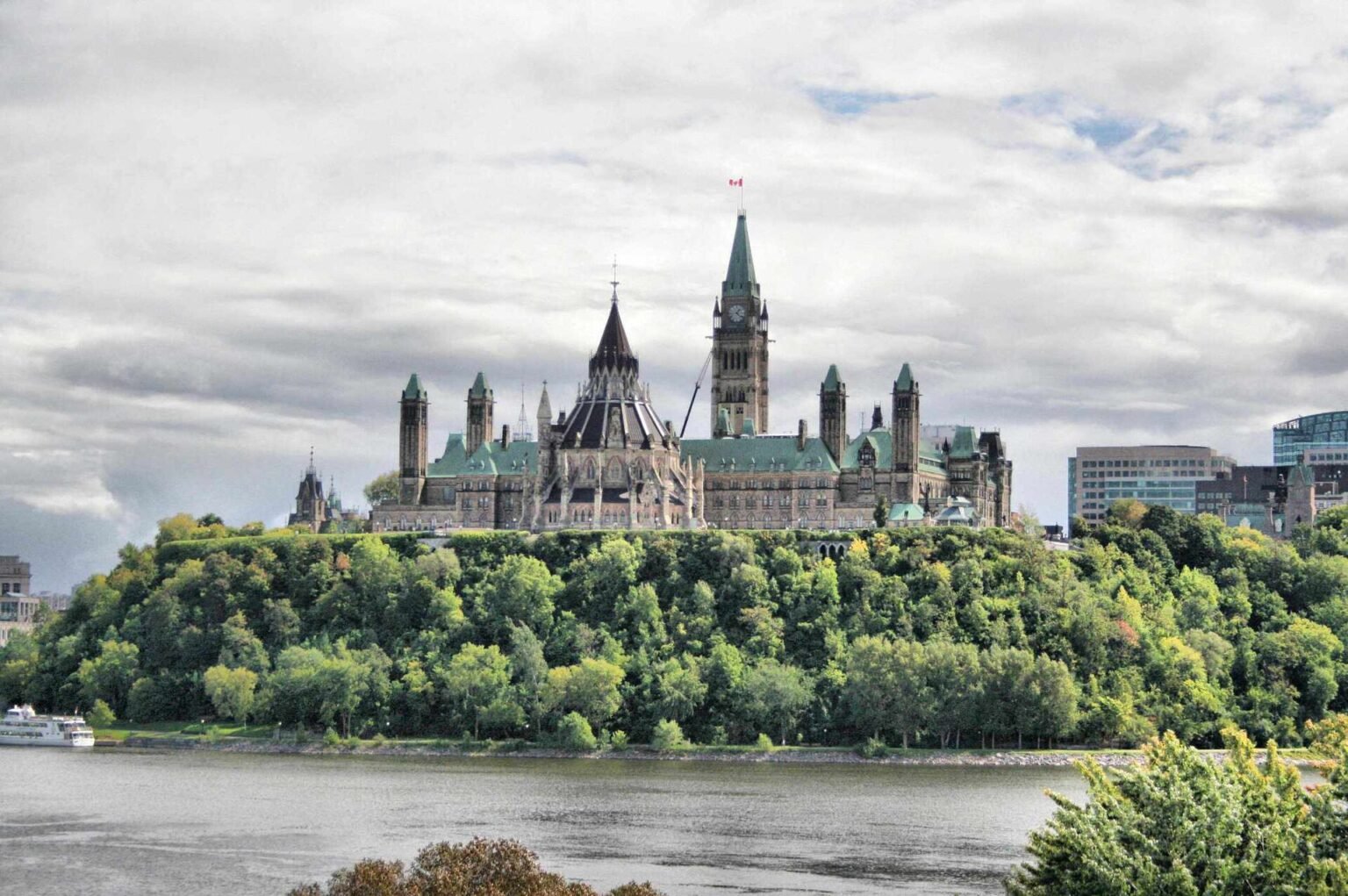
The Parliament buildings on Parliament Hill in Ottawa
Photo: Greymouser, CC BY-SA 3.0, via Wikimedia Commons

01What happened

Finance Minister François-Philippe Champagne tables the federal budget on Thursday 5 November. Scotiabank Economics counts about $63 billion of new measures with a fiscal cost announced since the spring update, including the $36 billion Productivity Mega Deduction over five years, and would not be surprised to see about $80 billion on budget day. It expects the deficit to run about 0.2 points of GDP above the spring path, which narrowed from 2.1% of GDP in fiscal 2026 to 1.4% by fiscal 2031.

Pre-budget talk, Scotiabank notes, includes capital gains incentives for start-ups and lower top tax rates to keep entrepreneurs. None of this is confirmed.

02Our view

Expect a budget heavy on business investment incentives and light on broad tax relief for households, in line with the minister’s signal of practical changes rather than reform. The deficit will likely be larger than the spring plan, but not by enough on its own to move bond yields much. A large new spending package with no offsetting savings would change our view on rates.

03Why it matters to you

If you own a business or plan to sell an investment or property, tomorrow’s budget could change the tax on it. Knowing which rules your plans depend on lets you check them quickly once the details are out.

Book a tax planning review

Sources Scotiabank Economics, Anticipating Canada’s 2026 Federal Budget: Ambition, Meet Arithmetic; KPMG Canada, 2026 Canadian Federal Budget; The Canadian Press, Fiscal and monetary policy are not at odds, Bank of Canada’s Macklem tells MPs

Story 4 of 5

Oil slips for a third day toward a three-week low as U.S.-Iran talks drag on

A large oil tanker sailing on the open sea
Photo: Pexels

01What happened

Brent crude settled 1.12% lower at US$103.60 a barrel on Tuesday and traded near US$101.70 early Wednesday, its third straight decline and close to a three-week low, according to Trading Economics. U.S. crude settled at US$96.09 and traded near US$94 to US$95. Qatar said both sides were reviewing new mediator proposals, while Iran’s national security chief called Washington’s latest response unsatisfactory.

Brent is still about 60% higher than a year ago.

02Our view

The slide reflects hope for a deal more than oil actually flowing again, so we treat it as a reprieve rather than a trend. Brent near US$100 is still far above where it stood a year ago, and these talks have stalled before. We would change our view if an agreed deal restores normal tanker traffic and Brent holds below US$95 for a week or more.

03Why it matters to you

If fuel and heating are big costs for your home or business, prices have eased this week but may not stay low. Budgeting the winter with a margin for a rebound keeps one bad month from upsetting your plans.

Book a budget and savings check

Sources Trading Economics, Brent crude oil; Trading Economics, Crude oil; CappNotes, Closing Look: Tuesday, November 3, 2026

Story 5 of 5

TSX falls 0.75% as U.S. yields climb and bets on a Fed hike build

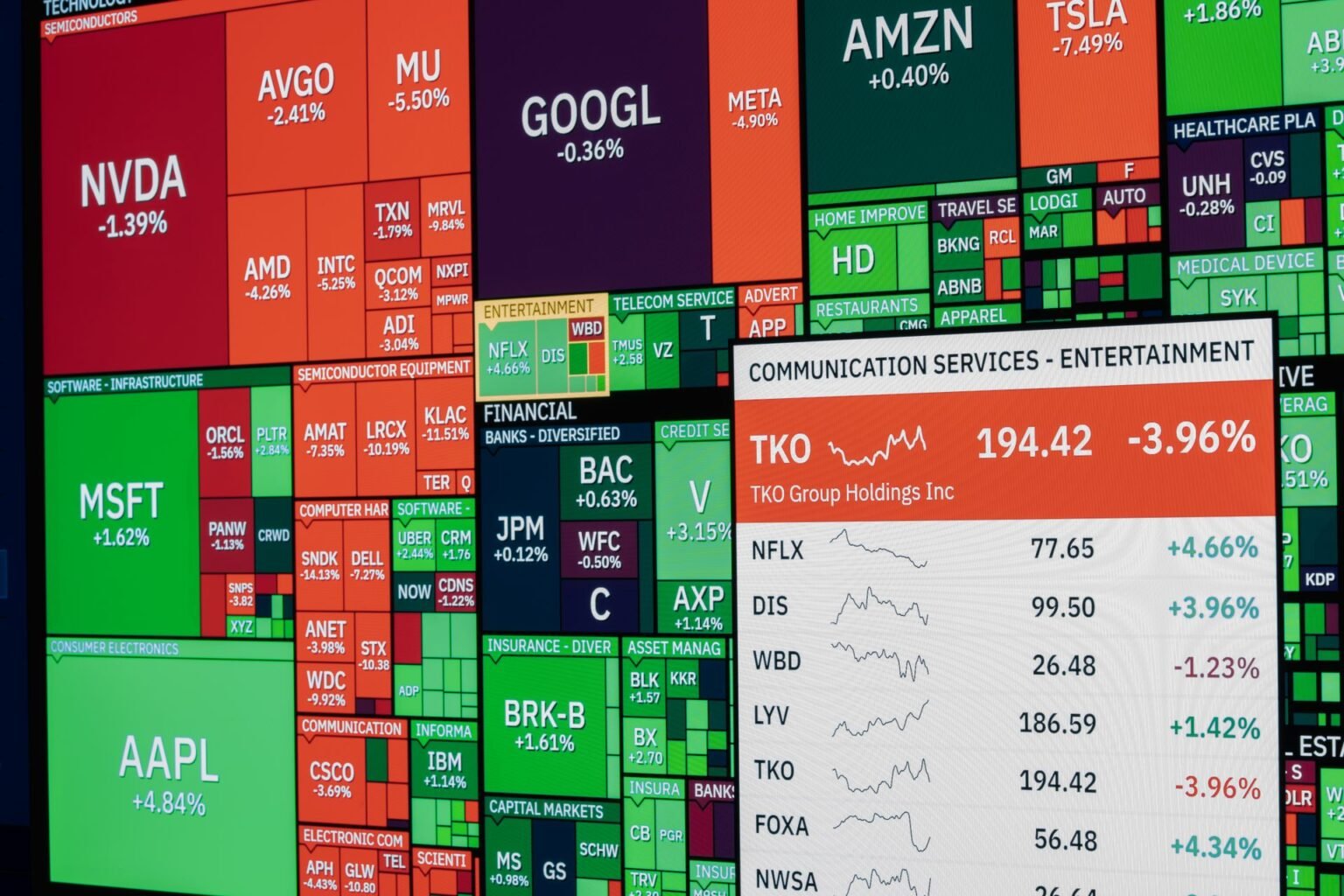
A stock market board showing company share prices
Photo: Pexels

01What happened

The S&P/TSX composite fell 268.81 points, or 0.75%, to 35,532.28 on Tuesday, with seven of 12 sectors lower. Gold stocks fell 1.7% and materials and technology 1.6% each, while health care rose 4.3%. The loonie dipped 0.12 cents to 71.39 U.S. cents.

In New York the S&P 500 rose 0.36% to 7,568.92 and the Nasdaq 0.83%, while the Dow slipped 0.38%. The U.S. 10-year Treasury yield rose 4 basis points to 4.95% after job openings came in at 7.52 million against a forecast of 7.15 million, and markets priced a 78% chance of a Federal Reserve rate increase at its 8 to 9 December meeting.

02Our view

Markets are shifting from worry about a slowdown to worry about rates staying high on both sides of the border. That favours patience over prediction: daily moves of this size are normal in a year of war, tariffs and rate hikes. We would turn more cautious if the U.S. 10-year yield moves decisively above 5%, which would put fresh pressure on Canadian fixed borrowing rates.

03Why it matters to you

If you will draw on your investments soon or add to them regularly, a choppy market tests the plan. Checking that near-term spending does not depend on stocks keeps a bad week from forcing a sale.

Book a portfolio review

Sources CappNotes, Closing Look: Tuesday, November 3, 2026; Baystreet via Yahoo Finance Canada, TSX Negative as Election Worries Continue

Today’s news, considered against your own plans.

If one of these stories bears on your mortgage, savings, income or business, we would be glad to go through it with you and explain clearly what, if anything, it means for you.

Book a conversation

Free · optional

The Morning Brief in your inbox at 06:00 Pacific.

The day’s stories, what each means for you, and our view. Unsubscribe in one click.

Email subscriptions open shortly.