Markets · 4 Nov 2026Policy rateBank of Canada2.50%YieldsCA 2Y3.26%CA 5Y3.49%+3 bpCA 10Y3.77%+3 bpCanadian dollarCAD/USD0.7163+0.24%CAD/EUR0.6374−0.17%CAD/GBP0.5316−0.17%CAD/JPY113.51+0.23%CryptoBTCUS$79,547+1.61%ETHUS$2,385+2.92%

Morning Brief

Wednesday 28 October 2026

The Bank of Canada decides at 06:45 PT with a hike to 2.50% about 77% priced, and the Fed follows at 11:00 PT with a hold expected by 94 of 100 economists.

The desk’s view todayThe Bank of Canada raises the overnight rate by 25 basis points to 2.50% this morning and frames it as insurance against energy-driven inflation spreading, not as the start of a tightening cycle.

Story 1 of 5

The Bank of Canada decides at 06:45 PT today, with a hike to 2.50% about three-quarters priced

Bank of Canada Governor Tiff Macklem and Senior Deputy Governor Carolyn Rogers at the January 2022 Monetary Policy Report press conference
Photo: Bank of Canada - Banque du Canada from Canada, CC BY 2.0, via Wikimedia Commons

01What happened

The Bank of Canada announces its overnight rate decision this morning at 06:45 PT, with the October Monetary Policy Report at the same time and a press conference with Governor Tiff Macklem and Senior Deputy Governor Carolyn Rogers at 07:30 PT. The rate has been 2.25% since October 2025 and has been held at seven consecutive meetings. Reuters reports money markets pricing roughly a 77% chance of a 25 basis point increase to 2.50%, and its 21 to 23 October poll had 19 of 34 economists expecting that move, with a majority also expecting one more by March. It would be the first increase since July 2023.

The data behind the call: headline inflation was 3.1% in September, driven almost entirely by energy, with gasoline up 27.8% from a year earlier, while CPI ex-gasolineCPI ex-gasoline The Consumer Price Index with gasoline removed. When it sits well below the headline rate, the inflation is coming from fuel rather than from the broad economy. ran at 2.2% and the Bank’s core measures eased below 2%. The economy lost 68,000 jobs in September and unemployment rose to 6.5%. In July the Bank projected inflation of 2.5% for 2026 and 2.0% for 2027; Macklem has said substantial revisions are coming, and the Reuters preview expects the inflation path to be marked up sharply. National Bank’s Taylor Schleich and Ethan Currie say the evidence leans toward a hike, while RBC still expects the Bank to hold through year end. Bond yields barely moved into the decision: the five-year Government of Canada bond yieldBond yield The annual return an investor gets for lending to a government or company through a bond. Yields rise when bond prices fall. Fixed mortgage rates are priced from the 5-year Government of Canada yield. closed at 3.57% on Tuesday, the two-year at 3.36% and the ten-year at 3.83%, per the Bank of Canada.

02Our view

The Bank of Canada raises the overnight rate by 25 basis points to 2.50% this morning, and frames the move as insurance against energy-driven inflation spreading, not as the start of a sequence. The number to read first is the Monetary Policy Report’s inflation projection for 2027.

Why we think so. The Bank faces two pressures that point in opposite directions, and a single hike with cautious language is the way to reconcile them. On one side, headline inflation was 3.1% in September, above the 1% to 3% band, driven almost entirely by energy, with gasoline up 27.8% from a year earlier, and the Bank’s own surveys show inflation expectations rising. Expectations are the one thing a central bank cannot let drift, because once households and businesses expect higher prices, they set wages and prices accordingly. On the other side, the economy lost 68,000 jobs in September, unemployment rose to 6.5%, CPI ex-gasolineCPI ex-gasoline The Consumer Price Index with gasoline removed. When it sits well below the headline rate, the inflation is coming from fuel rather than from the broad economy. ran at 2.2% and the Bank’s core measures eased below 2%. Those numbers do not support a series of hikes. In July the Bank projected inflation of 2.5% for 2026 and 2.0% for 2027, and Governor Macklem has said substantial revisions are coming. A sharply higher path justifies acting today; the weak job market argues for stopping soon.

What the market is pricing. Money markets price roughly a 77% chance of a 25 basis point increase, and 19 of 34 economists in the Reuters poll expected that move, with a majority also expecting one more by March. National Bank’s Taylor Schleich and Ethan Currie say the evidence leans toward a hike, while RBC still expects a hold through year end. We agree with the market on the move but differ on the follow-through: we expect the statement to avoid committing to a second increase. Bond yields barely moved into the decision, with the five-year at 3.57%.

What it means. For anyone with a variable-rate mortgage or a home equity line of credit, a hike moves the lender’s prime rate within a day or two, and the payment or the amortization moves with it. MoneySense puts the lowest five-year variable at 3.43% today and near 3.7% after a quarter point; on its example of a $618,480 mortgage over 25 years that is roughly $80 a month more. Fixed-rate borrowers are priced off the five-year yield, which already assumes the hike, so renewal quotes should not change much on the decision itself. A household or business that knows how much of its debt floats with prime, and whether its cash buffer covers two hikes rather than one, is well placed for either outcome. Savers should see high-interest savings and short GIC rates edge up within weeks.

What would change our mind. A hold this morning, or a hike with a statement that explicitly points to further increases, would show we have misread the Bank’s balance between inflation expectations and the labour market.

What to watch. The decision and Monetary Policy Report at 06:45 PT, and the press conference with Governor Macklem and Senior Deputy Governor Rogers at 07:30 PT. In the report, the 2027 inflation projection and any change to the growth outlook.

03Why it matters to you

If you carry a variable mortgage or a home equity line, today’s decision changes your payment within days. Knowing your numbers at the new rate lets you act before the first statement arrives.

Book a mortgage renewal review

Sources Reuters, Bank of Canada poised to hike key rate for first time in three years; The Canadian Press, Bank of Canada expected to hike key rate for 1st time since 2023; MoneySense, Bank of Canada interest rate forecast: What to expect on October 28; Bank of Canada, Selected bond yields; Baystreet via Yahoo Finance Canada, Bank Of Canada Expected To Raise Rates At Oct. 28 Meeting

Story 2 of 5

The Fed is expected to hold at 11:00 PT as markets climb into Microsoft and Alphabet results

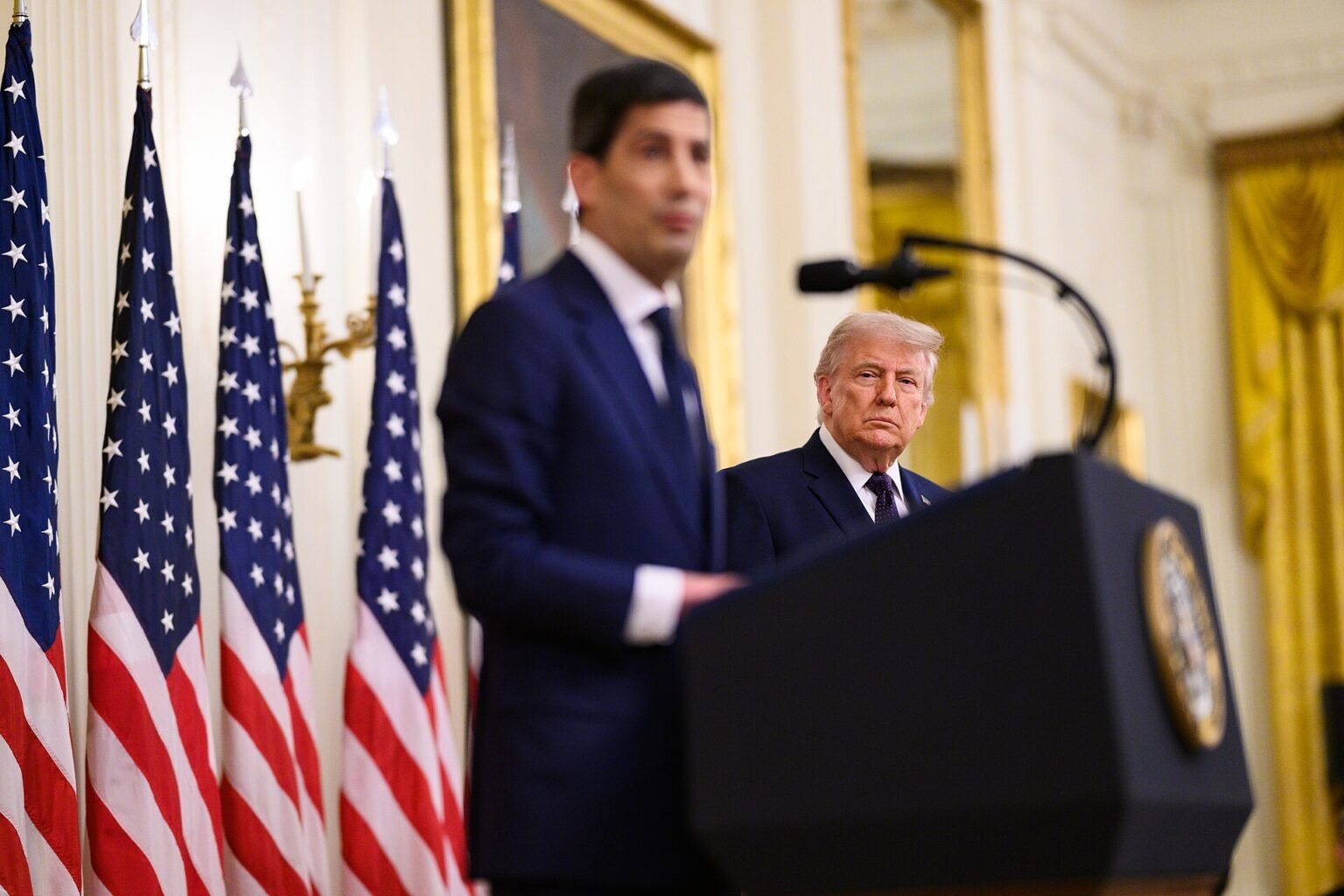
Federal Reserve Chair Kevin Warsh delivering remarks at his swearing-in ceremony in the East Room of the White House, May 2026
Photo: The White House, PUBLIC DOMAIN, via Wikimedia Commons

01What happened

The U.S. Federal Reserve announces its decision at 11:00 PT, with Chair Kevin Warsh’s press conference at 11:30 PT. The target range is 3.75% to 4.00% after September’s increase, the first in three years. USA Today reports CME FedWatch pricing a 90.6% chance of a pause today and a 75% chance of a quarter-point hike in December; Reuters found 94 of 100 economists expect no change today and all of them expect a December hike. In the September projections, 12 of 18 officials pencilled in one more quarter-point increase this year and four saw room for two. CoinDesk notes the 10-year Treasury yield has pulled back to about 5.0%, 36 basis points below its 7 October level, and that U.S. consumer price inflation has beaten expectations for two months running.

Equities rose again on Tuesday. The S&P 500 closed at 7,722.60, up 0.60%, the Nasdaq at 26,477.81, up 1.18%, and the Dow at 52,377.57, up 0.03%, according to TheStreet. The S&P/TSX composite closed at 36,171.49, up 0.63%, led by base metals, technology and financials, with energy lagging, per MT Newswires. Microsoft and Alphabet report after today’s close, with Amazon on Thursday; investors are asking about AI capital spending as much as profits.

02Our view

A hold by the Fed today is close to certain, and the signal that matters is the vote count. Three or more dissents in favour of a hike would tell markets that December is settled.

Why we think so. The decision itself is not in doubt. The target range is 3.75% to 4.00% after September’s increase, the first in three years. CME FedWatch prices a 90.6% chance of a pause today, and 94 of 100 economists in the Reuters survey expect no change. The real uncertainty is about December, which is why the internal debate is the thing to read. In the September projections, 12 of 18 officials pencilled in one more quarter-point increase this year and four saw room for two. U.S. consumer price inflation has beaten expectations for two months running. A committee holding in the face of that pressure, in its final decision before the midterms, is likely to show its leanings through dissents and through the tone of Chair Kevin Warsh’s press conference rather than through the rate.

What the market is pricing. Markets price a 75% chance of a quarter-point hike in December, and every economist in the Reuters survey expects one. The 10-year Treasury yield has pulled back to about 5.0%, 36 basis points below its 7 October level. We agree with the pricing and see more risk that today’s message firms it up than softens it. Several dissents would push short U.S. yields up, and would likely pull the Canadian two-year with them.

What it means. The Fed sets the floor for U.S. yields, and Canadian long-term rates follow them more closely than they follow the Bank of Canada. A hold with firm language keeps the U.S. 10-year near 5%, which keeps the Canadian 10-year near 3.8% and long-term mortgage and business borrowing costs where they are. The Canadian dollar, at 71.25 U.S. cents on Tuesday, tends to move on the gap between the two central banks; a Bank of Canada hike and a Fed pause on the same day would narrow it. For investors, two of the largest companies in a typical technology-heavy index fund report after today’s close, and the index has climbed into those results, with the S&P 500 up 0.60% and the Nasdaq up 1.18% on Tuesday. Knowing what share of a registered account sits in the five largest U.S. technology names, and whether the U.S. dollar exposure that comes with them is intended, makes a sharp move on one earnings report a known quantity rather than a shock.

What would change our mind. If Warsh plays down December, that would be a surprise given the unanimity among economists on a hike then, and we would reconsider. A hold with no dissents would also weaken the signal.

What to watch. The Fed decision at 11:00 PT and Warsh’s press conference at 11:30 PT. Microsoft and Alphabet results after 13:00 PT, and Amazon on Thursday, where investors are asking about AI capital spending as much as profits.

03Why it matters to you

If your savings sit in long-term bonds or bond funds, a firm Fed keeps the pressure on their prices. It is worth checking whether your fixed income still does the job you bought it for.

Book a portfolio review

Sources USA Today via Yahoo Finance, Patience expected from Fed in final rate decision before midterms; CoinDesk, Dissents and more: 3 things to watch for at today’s Fed meeting; TheStreet, Stock Market Today (Oct. 27, 2026): Nasdaq and Russell 2000 gain as Anthropic lifts tech sector; MT Newswires via MarketScreener, TSX Closer: The Index Closes Higher as Base Metals, Technology and Financial Stocks Advance; The Canadian Press, S&P/TSX composite up more than 100 points, U.S. stock markets also trade higher

Story 3 of 5

Oil climbs back toward US$115 after the Houthis claim a strike on Saudi Arabia’s largest refinery

Towers and pipework of an oil refinery
Photo: Pexels

01What happened

Brent crude was US$114.67 a barrel at 06:43 ET on Wednesday, up 0.7%, and West Texas Intermediate US$101.14, up 1.3%, according to Investing.com, after a fall of almost US$2 on Tuesday when hopes rose for the talks that Saudi Arabia, Turkey and Pakistan held with Iranian officials in Tehran. Brent reached six-month highs above US$117 last week.

Houthi forces said on Tuesday they had hit the 550,000 barrel a day Ras Tanura refinery with a ballistic missile; Saudi authorities did not confirm a direct hit, and a fire near Aramco facilities there was reported contained. Saudi Arabia said it intercepted three ballistic missiles aimed at the Eastern Province, four drones headed for the south and two missiles aimed at Riyadh, where falling debris damaged a building, a construction site and a vehicle. Earlier attacks targeted pumping stations on the East-West pipeline, the route that lets Saudi crude bypass the Strait of Hormuz. The Wall Street Journal reports that Washington has warned Gulf governments to prepare for a short, intense military campaign against Iran after the 3 November U.S. midterms. The American Petroleum Institute reported a 2.03 million barrel draw in U.S. crude stocks for the week to 23 October against an expected build; the official EIA figures come at 07:30 PT.

02Our view

The oil market is pricing a standoff with a tail risk of war, and we expect that to hold Brent between US$105 and US$120 a barrel until the U.S. midterms on 3 November. Talks in Tehran lower the chance of the worst outcome, but they do not reopen shipping lanes or stop the Houthis.

Why we think so. The news this week has pulled prices both ways, and neither side has won. Brent fell almost US$2 on Tuesday on hopes for the talks that Saudi Arabia, Turkey and Pakistan held with Iranian officials in Tehran, then climbed back to US$114.67 on Wednesday after Houthi forces claimed a ballistic missile strike on the 550,000 barrel a day Ras Tanura refinery. Saudi authorities did not confirm a direct hit and reported a fire nearby contained, but Saudi Arabia also intercepted missiles and drones aimed at the Eastern Province, the south and Riyadh. Earlier attacks targeted pumping stations on the East-West pipeline, the route that lets Saudi crude bypass the Strait of Hormuz, which means the workaround for one chokepoint is itself under fire. The Wall Street Journal reports that Washington has warned Gulf governments to prepare for a short, intense campaign against Iran after the midterms. And the American Petroleum Institute reported a 2.03 million barrel draw in U.S. crude stocks against an expected build. Each of those keeps a floor under prices.

What the market is pricing. Brent reached six-month highs above US$117 last week, and West Texas Intermediate is around US$101. ING says the market is pricing a greater chance of re-escalation and expects little clarity before 3 November. Our range agrees: the top reflects the risk of escalation, the bottom the hope from diplomacy.

What it means. Oil near US$115 is the reason Canadian inflation is 3.1%, and the reason the Bank of Canada is weighing a hike this morning into a weak job market. It reaches households through gasoline, airfares, heating and delivered goods, and businesses through freight surcharges. For an Alberta or Saskatchewan employer this is a windfall quarter; for a trucking, farming or restaurant business elsewhere it is a cost that cannot be passed on in full. Businesses with a meaningful fuel line can ask suppliers now how surcharge formulas reset and price contracts that run past November with a fuel clause rather than a fixed figure. Investors may find that energy exposure in a Canadian index fund has grown this year by accident rather than by choice.

What would change our mind. A verified ceasefire that includes the Houthis could take US$10 to US$15 off Brent quickly. A confirmed hit on Saudi export terminals would do the opposite.

What to watch. The U.S. EIA weekly petroleum report at 07:30 PT, to see whether it confirms the API draw. The Bank of Canada’s decision this morning, for how it treats energy prices. The U.S. midterms on 3 November.

03Why it matters to you

If your household budget was set when oil was cheaper, fuel and delivered goods are quietly taking more of it. A fresh look now prevents a squeeze later.

Book a budget and savings check

Sources Investing.com, Oil rebounds as Houthi attacks on Saudi Arabia overshadow diplomatic efforts; Oilprice.com via Yahoo Finance, Oil Prices Climb as Houthi Attacks Reignite Saudi Supply Fears

Story 4 of 5

CIBC finds Canadian borrowers holding up a year into the renewal cliff, with the strain lasting until early 2027

Rows of suburban houses seen from above
Photo: Pexels

01What happened

CIBC Capital Markets economists Benjamin Tal and Katherine Judge write that a year into the mortgage renewal cliff they are still hard pressed to find any major vulnerability in household credit. Their figures, reported by Canadian Mortgage Trends on Tuesday: mortgages representing roughly 5% to 6% of the portfolio saw payment increases of more than 40% in 2026; the share of mortgages 90 or more days past due has moved above its pre-pandemic level but losses are manageable; total household credit is growing about 4% a year, close to the slowest pace on record outside the pandemic; and mortgage balances grew about 2% year over year in August, the weakest in 25 years. Insolvency filings are up about 6% over the past year with the overall rate near its 2019 level, and consumer proposals make up 77% of filings, up from 60% in 2019. Average credit scores sit slightly above pre-pandemic levels. CIBC expects the refinancing burden not to ease materially until February 2027.

This lands on the morning of a possible rate hike, with the five-year yield at 3.57% keeping fixed renewal rates in the low-4% range; MoneySense lists three- and five-year fixed rates from 4.34%.

02Our view

The mortgage renewal cliff has been a slow squeeze rather than a break, and we expect that to continue through the winter and into February 2027, when CIBC sees the refinancing burden starting to ease, unless unemployment keeps rising from 6.5%.

Why we think so. The evidence from CIBC’s Benjamin Tal and Katherine Judge shows households absorbing the shock by borrowing less and spending less, not by defaulting. Mortgages representing roughly 5% to 6% of the portfolio saw payment increases of more than 40% in 2026, a real burden. Yet total household credit is growing about 4% a year, close to the slowest pace on record outside the pandemic, and mortgage balances grew about 2% year over year in August, the weakest in 25 years. Arrears of 90 days or more have moved above their pre-pandemic level, but losses are manageable, and average credit scores sit slightly above pre-pandemic levels. Insolvency filings are up about 6% over the past year, with the overall rate near its 2019 level. The buffer that makes this work is income. As long as people keep their jobs, a higher payment is absorbed by cutting elsewhere. House prices matter far less, because most households renewing are not selling.

The bigger picture. The shift in how distress shows up is telling. Consumer proposals make up 77% of filings, up from 60% in 2019, which means people in trouble are restructuring their debts rather than walking away. That route is available to business owners too. The trade-off for the economy is that a household paying down debt is prudent but spends less, which is part of why growth is soft.

What it means. Anyone whose mortgage renews in the next 15 months is inside the window CIBC describes. With the five-year yield at 3.57%, fixed renewal rates sit in the low 4% range, and MoneySense lists three- and five-year fixed rates from 4.34%. A practical approach is to run the household budget at the expected renewal rate now, and set aside the difference between the current and new payment each month, so the change is already absorbed when it arrives. It also helps to settle the order of buffers in advance: an emergency fund first, then a line of credit, then restructuring if needed, and how long each would last. For borrowers on variable rates, a hike this morning adds to the squeeze but does not change its character.

What would change our mind. If 90-day arrears accelerate through the winter while employment is stable, payment shock alone would be doing the damage, and the slow squeeze would be turning into something worse.

What to watch. The Bank of Canada’s decision and Monetary Policy Report this morning, for its view of household credit. The unemployment rate in each monthly jobs report, since income is the buffer. Arrears data through the winter, and whether the burden eases from February 2027 as CIBC expects.

03Why it matters to you

If your mortgage renews in the next fifteen months, you are inside the window CIBC describes. Planning the renewal early gives you room that a last-minute decision does not.

Book a mortgage renewal review

Sources Canadian Mortgage Trends, Mortgage arrears to rise further, but losses manageable: CIBC; MoneySense, Bank of Canada interest rate forecast: What to expect on October 28; Bank of Canada, Selected bond yields

Story 5 of 5

U.S. consumer confidence jumps to 91.7 as cheaper gasoline lifts the mood, but spending plans fall

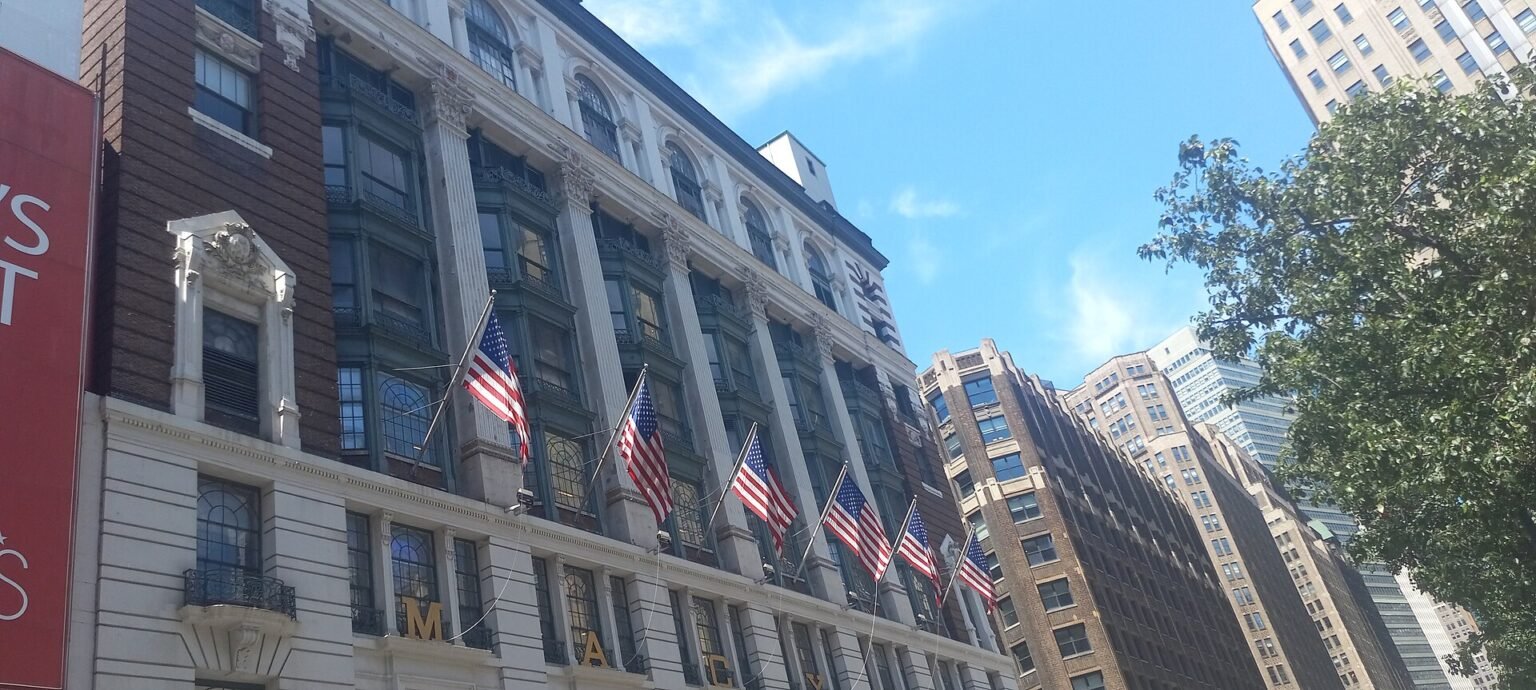
Exterior of the Macy’s Herald Square department store in Midtown Manhattan, New York City
Photo: Kidfly182, CC BY 4.0, via Wikimedia Commons

01What happened

The Conference Board’s consumer confidence index rose to 91.7 in October from an upwardly revised 84.2 in September, against a consensus for a dip to 80.4, in figures released Tuesday. The Present Situation index rose to 120.4 from 111.8 and the Expectations index to 72.6 from 65.7. Fergus McCormick, the Conference Board’s senior economist for global indicators, tied the rebound to retail gasoline prices easing from September to October, but said confidence remains on the downward trend of the past few years, and that consumers planned less spending on services and durable goods over the next six months because higher price levels have eroded their purchasing power. The University of Michigan’s October sentiment index was revised up to 48.0 from 46.3, against 48.1 in September.

02Our view

October’s jump in U.S. consumer confidence is a gasoline bounce, not a turn. Into the November reading, we expect the stated pullback in spending plans to matter more for Canadian exporters than the headline.

Why we think so. The rise was large and unexpected. The Conference Board index rose to 91.7 from an upwardly revised 84.2, against a consensus for a dip to 80.4; the Present Situation index rose to 120.4 from 111.8 and the Expectations index to 72.6 from 65.7. But the Conference Board’s own economist, Fergus McCormick, tied the rebound to retail gasoline prices easing from September to October, and said confidence remains on the downward trend of the past few years. More important, consumers planned less spending on services and durable goods over the next six months, because higher price levels have eroded their purchasing power. Expectations remain far below the Present Situation reading. A mood that rises with a single price, while intentions to spend fall, is not a durable recovery. The University of Michigan index tells a quieter story, revised up to 48.0 from 46.3 but below 48.1 in September.

The bigger picture. Confidence surveys respond quickly to prices people see every day, and gasoline is the most visible of them. That makes them a good gauge of mood and a weaker gauge of spending. The same mechanism likely applies in Canada, which is why the Bank of Canada focuses on whether energy inflation spreads to everything else rather than on how households feel in a given month.

What it means. Roughly three-quarters of Canada’s exports go to the United States, so the American consumer’s mood is a Canadian business indicator. A confident consumer who plans to spend less on durable goods is a mixed signal for Ontario auto and parts makers and for anyone selling into U.S. retail. Business owners who export can look at their order book for durable and discretionary goods separately from the rest, because that is where American households say they will cut, and test whether the next two quarters of revenue depend on U.S. demand holding. Investors in consumer-facing companies should weigh stated spending plans more heavily than the confidence headline.

What would change our mind. If the November reading holds above 90 with oil still above US$100, the improvement would be more than gasoline, and we would revise our view.

What to watch. The November Conference Board reading. Oil prices, which drive the gasoline effect. The Fed’s decision at 11:00 PT today, for how it reads U.S. demand.

03Why it matters to you

If your business sells to American consumers, softer spending plans are an early warning. Planning for a slower first quarter costs less than reacting to one.

Book a business review

Sources DPA via Yahoo Finance, US consumer confidence unexpectedly sees major improvement in October

Today’s news, considered against your own plans.

If one of these stories bears on your mortgage, savings, income or business, we would be glad to go through it with you and explain clearly what, if anything, it means for you.

Book a conversation

Free · optional

The Morning Brief in your inbox at 06:00 Pacific.

The day’s stories, what each means for you, and our view. Unsubscribe in one click.

Email subscriptions open shortly.