Story 1 of 5
Bank of Canada surveys: firms and households expect higher prices before the 28 October decision
01What happened
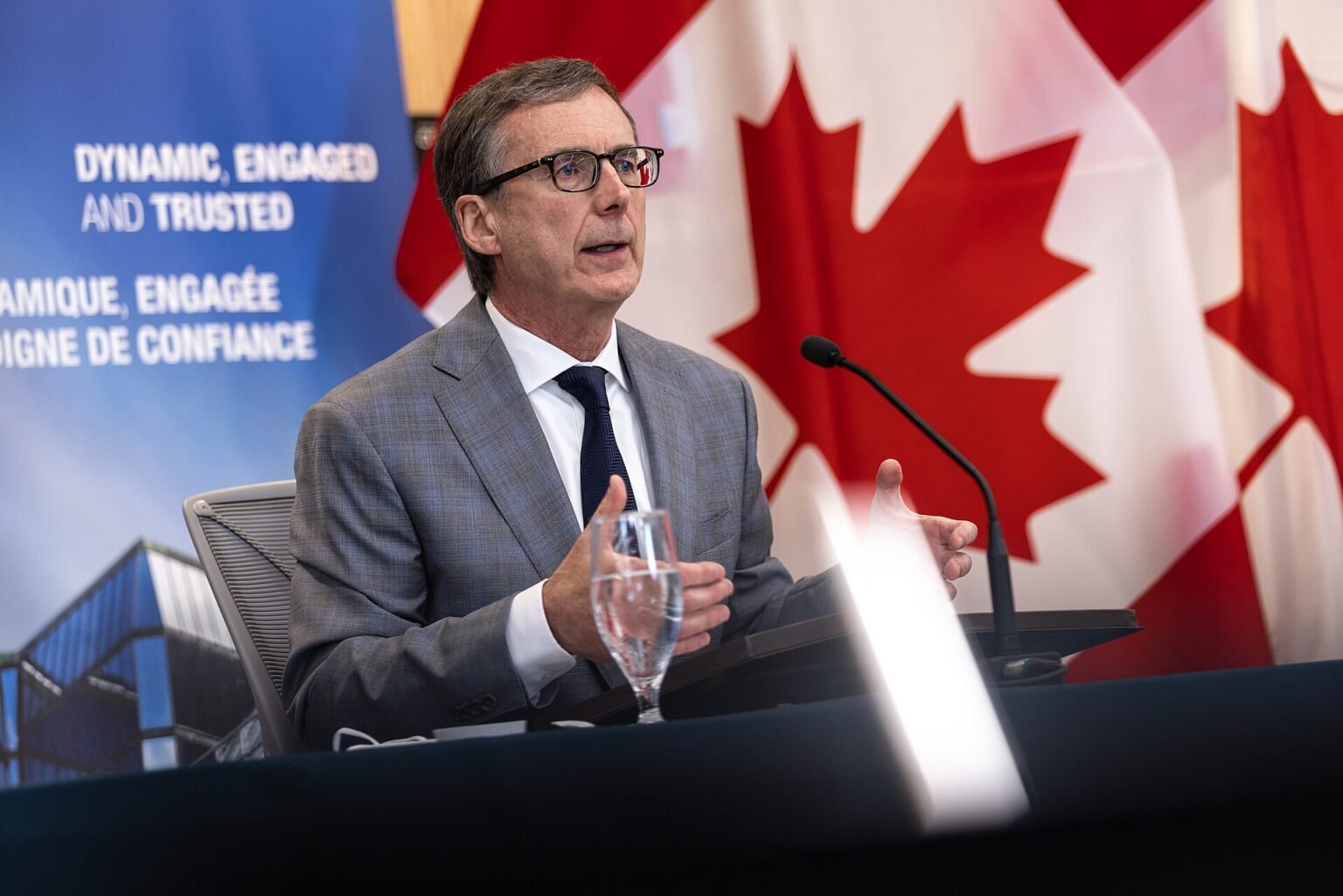
The Bank of Canada released its third-quarter Business Outlook Survey and Canadian Survey of Consumer Expectations on Monday 19 October. Business sentiment improved on average, and the share of firms planning for a recession fell to 6% from 17%, the lowest since the question was introduced in 2023. Yet inflation expectations rose alongside the new tariffs and the rebound in energy prices, roughly half of firms plan to pass on some or all of their cost increases, and hiring intentions remain below their historical average.
Consumers told a similar story: long-term inflation expectations rose to match elevated short-term ones, about half still expect a recession within 12 months, and tariffs remain the top factor they cite for inflation. The surveys ran from 5 August to 2 September, so about three quarters of the answers came in before Canada-U.S. trade talks broke down on 21 August.
The surveys landed the same morning as September CPI, which came in at 3.1% with gasoline up 27.8% on the year and CPI ex-gasolineCPI ex-gasoline The Consumer Price Index with gasoline removed. When it sits well below the headline rate, the inflation is coming from fuel rather than from the broad economy. at 2.2%. Going into the data, LSEG pricing put the odds of a quarter-point hike on 28 October at about 34%.
02Our view
The Bank of Canada holds its overnight rate at 2.25% on 28 October, with notably firm language. Rising inflation expectations are a warning the Bank will name, not yet a trigger it will act on.
Why we think so. The surveys pull in two directions, and the Bank has to weigh both. On one side, long-term consumer inflation expectations have risen to match elevated short-term ones, and roughly half of firms plan to pass on some or all of their cost increases. That is exactly the channel through which an energy shock becomes general inflation. On the other side, the inflation the Bank can influence is not running hot. September CPI came in at 3.1%, but gasoline was up 27.8% on the year and CPI ex-gasolineCPI ex-gasoline The Consumer Price Index with gasoline removed. When it sits well below the headline rate, the inflation is coming from fuel rather than from the broad economy. was 2.2%. Core measures sit near 2%, employment has fallen for two months and hiring intentions remain below their historical average. Raising rates into a softening labour market to counter a price shock that starts with a war abroad would deepen the slowdown without lowering the price of fuel. Holding, with a clear warning, is the more natural response. Timing also argues for caution: about three quarters of the survey answers came in before Canada-U.S. trade talks broke down on 21 August, so the surveys may understate the strain firms have felt since.
What the market is pricing. Going into Monday’s data, LSEG pricing put the odds of a quarter-point hike on 28 October at about 34%. We would place it similarly: a real possibility, but the minority outcome. Where we differ from the hawkish reading is on what rising expectations require. A central bank can lean against expectations with words first, signalling that it is prepared to move, and keep the increase itself in reserve. We expect the Bank to use that tool before the other.
What it means. For variable-rate borrowers and anyone with a line of credit, the next move in rates is more likely up than down, even if it does not come this month. Prime follows the policy rate, so a budget that only works at today’s rate is fragile; running it at a rate 0.5% higher is a sensible test. For fixed-rate borrowers nearing renewal, the risk runs through bond yields, which react to the Bank’s tone as much as to its decisions. For savers, GIC and high-interest savings rates may hold up longer than a slowing jobs market would normally suggest. The common thread is a cash-flow plan that tests how a rate rise, a job interruption or both at once would change the picture, before either happens.
What would change our mind. A 25 basis point hike on 28 October, or Bank language describing inflation expectations as unanchored. Either would tell us the Bank weighs the surveys more heavily than two months of job losses, and that a first increase is arriving sooner than markets price.
What to watch. The Bank of Canada decision on 28 October is the main event; no Canadian data releases are scheduled today. U.S. housing starts, building permits and pending home sales for September give a read on the economy south of the border, and the weekly API oil inventory figures feed into the energy prices driving Canadian headline inflation.
03Why it matters to you
If you carry a variable mortgage, the Bank is weighing whether price pressure is spreading. Testing your payment at a higher rate now gives you time to prepare.
Sources Bank of Canada, Business Outlook Survey, Third Quarter of 2026; Bank of Canada, Canadian Survey of Consumer Expectations, Third Quarter of 2026; The Canadian Press, Inflation data shows high energy prices still contained, for now: economists; The Canadian Press, Bank of Canada set for pair of important data drops ahead of ‘live’ rate decision; Bank of Canada, Interest Rate Announcement and Monetary Policy Report, October 28, 2026